Skin Health · UAE
The small daily choices that decide how your skin ages
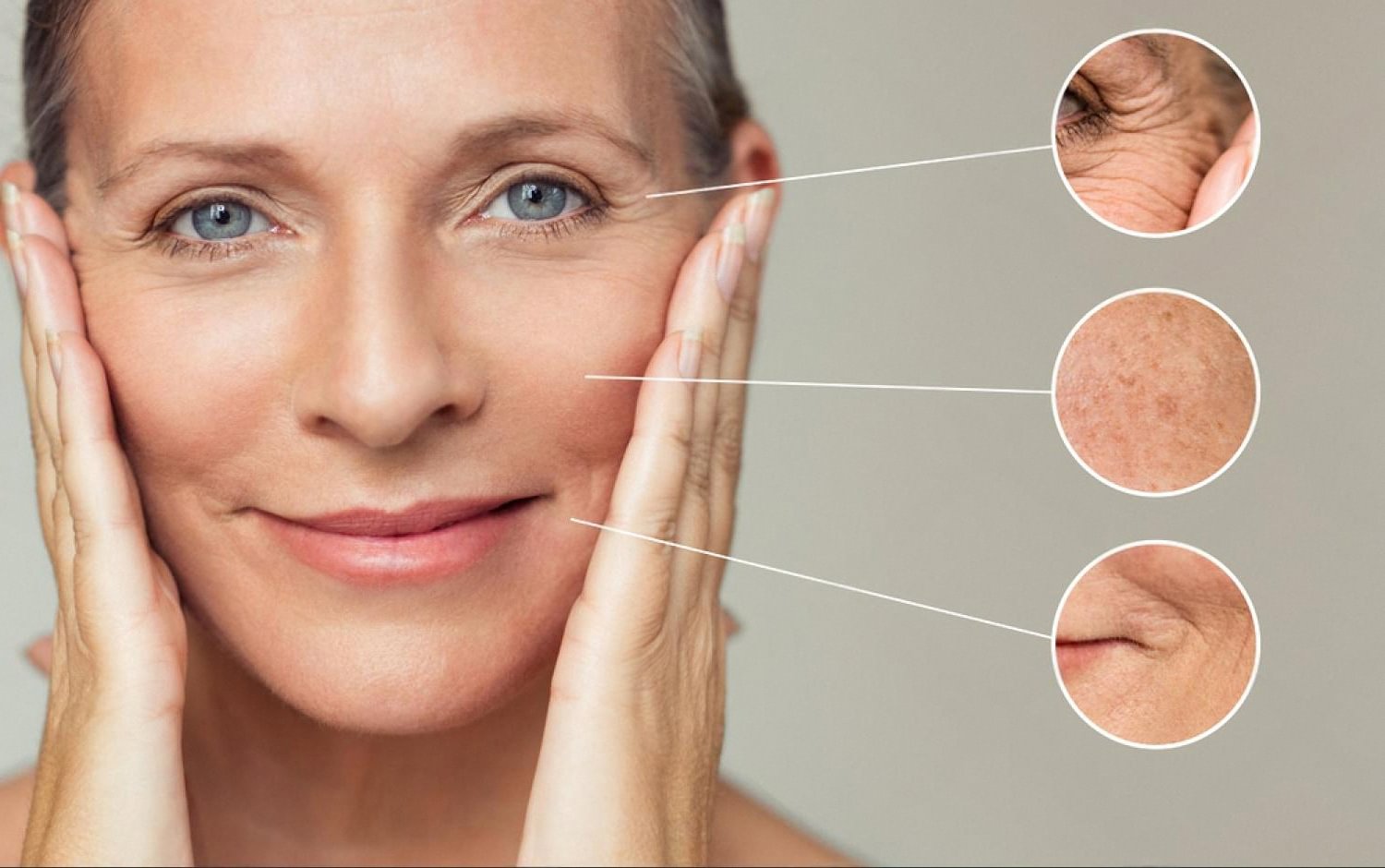
Most people in the UAE do not wake up one morning with sudden wrinkles. Skin ageing is the slow result of habits repeated for years: the 2 a.m. scroll, the third iced coffee, the walk from the car park to the mall at noon without SPF. Dermatologists in Dubai and Abu Dhabi see the same pattern again and again, and the good news is that almost every habit on this list has a simple, evidence-backed alternative.
Below you will find 15 habits ranked by how much long-term damage they cause, followed by a clear comparison of what harms your skin versus what protects it, and the changes clinicians actually recommend.
Why it matters here
Your skin is fighting harder in the Gulf
UAE summers push outdoor temperatures past 45°C, humidity swings from desert-dry to sticky coastal, and indoor air-conditioning strips moisture out of the skin barrier all day. According to the World Health Organizationroughly 80% of visible facial ageing is caused by ultraviolet exposure, and the Gulf sees some of the highest UV index readings on Earth for most of the year.
That means the habits below are not just cosmetic issues. They speed up the breakdown of collagen and elastin, the two proteins that keep skin firm and bouncy. Once collagen production drops (roughly 1% per year after age 25, according to studies cited by the American Academy of Dermatology), the fine lines, dullness and sagging show up faster than they would in a milder climate.
The 15 habits, ranked by long-term damage
Ranking is based on how consistently peer-reviewed research links each habit to accelerated ageing, plus how common the habit is in UAE lifestyles.
- Skipping sunscreen. The single biggest ager. UV-A penetrates clouds and car windows and drives up to 80% of photoaging.
- Smoking and shisha. A 2013 twin study in Plastic and Reconstructive Surgery found smokers looked visibly older than their non-smoking twins after just 5 years of the habit.
- Chronic poor sleep. Less than 6 hours a night doubles the visible signs of intrinsic ageing, per a University Hospitals Case Medical Center study.
- Dehydration. The body loses water faster in Gulf heat; skin cells shrink and fine lines deepen within days.
- High-sugar diet. Excess glucose bonds with collagen in a process called glycation, stiffening the fibres that keep skin plump.
- Chronic stress. Elevated cortisol thins the skin, slows healing and worsens acne, eczema and pigmentation.
- Pollution exposure. Fine particulate matter (PM2.5) from traffic and construction generates free radicals that break down collagen.
- Wrong skincare routine. Over-exfoliating, harsh cleansers and skipping moisturiser damage the skin barrier faster than most people realise.
- Excess screen time. Blue light (HEV) has been shown in lab studies to induce oxidative stress and pigmentation.
- Alcohol. Dehydrates, dilates capillaries and depletes vitamin A, a key collagen support.
- Sleeping in makeup. Traps pollutants and bacteria against the skin overnight, accelerating dullness and breakouts.
- Hot, long showers. Common after gym or beach days; strips natural lipids from the barrier.
- Not removing sunscreen properly. Residue plus sweat and sebum clogs pores and causes inflammation.
- Sleeping face-down. Repeated pressure creates permanent “sleep lines” over years.
- Ignoring the neck, chest and hands. These areas show sun damage first but get the least care.
Habits that age you vs. habits that protect you
What quietly ages your skin
- Going out at midday with no SPF, even for a “quick” errand
- Sleeping 4-5 hours and relying on caffeine
- Shisha sessions several times a week
- Drinking mostly karak, soft drinks and juices, little water
- Scrubbing the face daily with grainy exfoliators
- Screens until 1 a.m. with no blue-light management
- Ignoring air quality alerts during dust storms
What dermatologists recommend instead
- Broad-spectrum SPF 50, reapplied every 2 hours outdoors
- 7-9 hours of sleep, dark room, cool temperature
- Quitting tobacco and shisha completely, no “light” version helps
- 2-3 litres of water daily, more on gym or beach days
- Gentle cleanser twice a day, chemical exfoliant 2-3 times a week
- Screen curfew 1 hour before bed, or antioxidant serum in the morning
- Air purifier at home, double cleanse after commuting
When the habit is the whole problem: sun, smoke and sleep
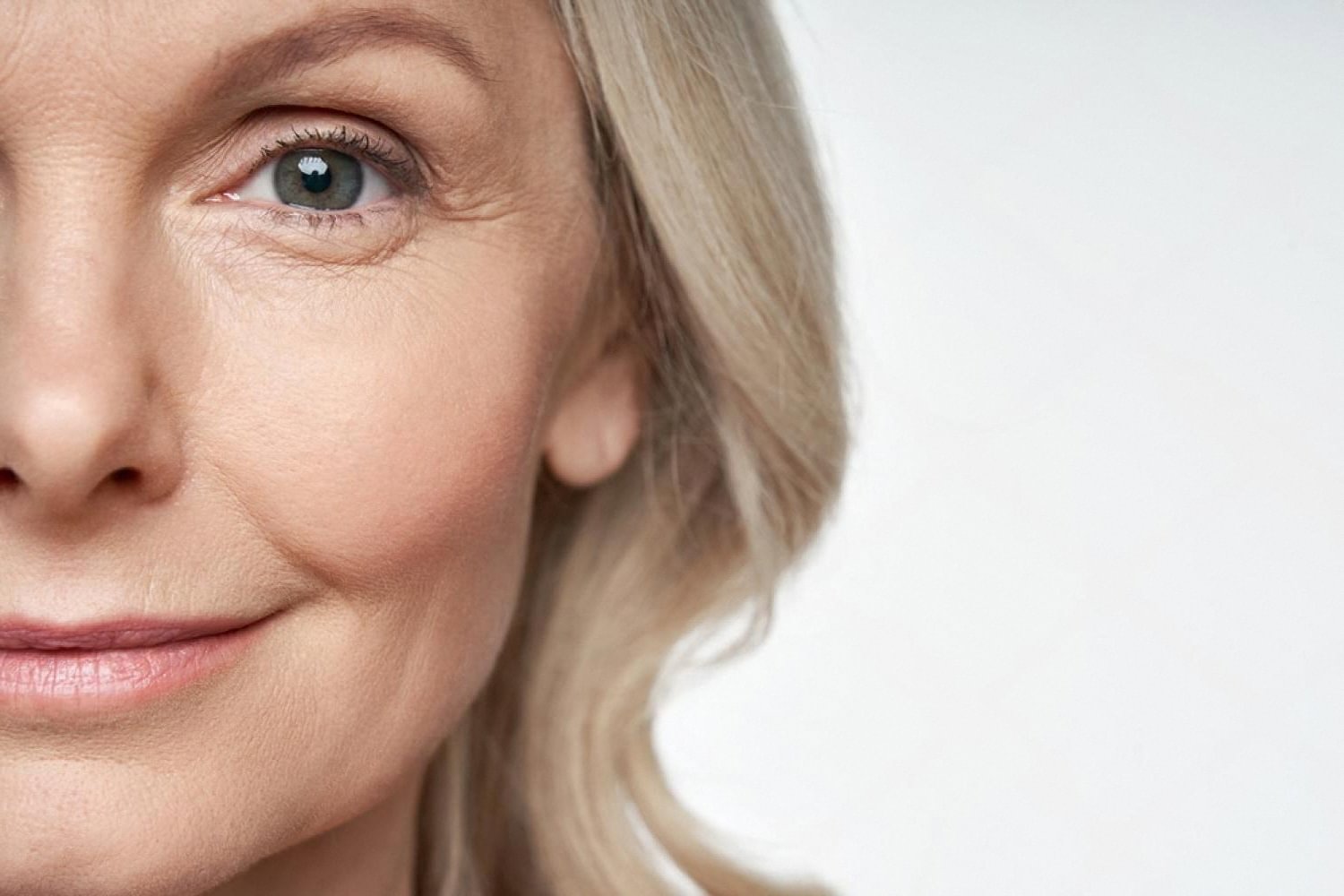
If you only fix three things, fix these. They account for the majority of premature ageing dermatologists see in UAE clinics.
Sun exposure. UV-A goes through clouds, car windscreens and office windows. A daily broad-spectrum SPF 30-50 is the closest thing to an anti-ageing treatment that actually works. If you drive in Dubai traffic, the side of your face closer to the window ages measurably faster, a phenomenon documented in the New England Journal of Medicine.
Smoking and shisha. A single one-hour shisha session can expose the lungs to more smoke volume than a pack of cigarettes. Nicotine constricts blood vessels in the dermis, starving skin cells of oxygen. The result is a grey undertone, deeper lines around the mouth and slower wound healing. If you notice slow-healing bumps, skin tags or growths on the face, get them checked early: many patients look into warts removal dubai clinics only after the lesions have become inflamed, when earlier action would have been simpler.
Sleep. Deep sleep is when the skin repairs. Human growth hormone peaks between 11 p.m. and 3 a.m., which is exactly when many UAE residents are still awake. Chronic short sleep raises cortisol, which breaks down collagen and worsens under-eye darkness.
“You cannot out-serum a bad sunscreen habit. If a patient asks me for one product to slow ageing in the UAE climate, the answer is always a proper broad-spectrum SPF, used every single day.”
When the habit is subtler: sugar, stress, screens and skincare
These four are harder to notice because they do not feel harmful in the moment. But over years they compound.
Sugar. Glycation is a chemical reaction where sugar molecules attach to collagen and elastin, turning them into stiff, brittle structures called advanced glycation end-products (AGEs). Studies suggest visible signs of glycation appear around age 30 and accelerate sharply after 40. Cutting daily added sugar to under 25g (the WHO guideline) is one of the most underrated anti-ageing moves.
Stress. Cortisol released during chronic stress thins the epidermis, disrupts the barrier and triggers inflammation. UAE residents juggling long commutes and demanding jobs often notice their skin “breaks out” during work sprints. Ten minutes of daily walking, prayer, breathwork or any consistent decompression habit measurably lowers cortisol.
Screen time. High-energy visible light from phones and laptops is not as harmful as UV, but consistent exposure at close range contributes to oxidative stress and pigmentation, especially in darker skin tones. A vitamin C serum in the morning neutralises much of this.
Wrong routine. Doing too much is now the more common mistake, not doing too little. Ten actives, three exfoliants, and a new TikTok product every week destroys the skin barrier. A boring, consistent routine (cleanser, moisturiser, sunscreen, plus one active like retinol at night) beats a complicated one every time.
Simple swaps you can start this week
- Keep a travel-size SPF in your car, bag and desk drawer, reapply after Dhuhr prayer or lunch.
- Swap one sugary drink a day for water with lemon or unsweetened karak.
- Set a phone alarm for 10:30 p.m. as a “start winding down” cue.
- Double cleanse on days you commute or wear makeup, oil-based first, then a gentle gel.
- Add a vitamin C serum in the morning and a pea-sized retinol 2-3 nights a week.
- Use a humidifier in bedrooms where the AC runs all night.
- Book a dermatologist check once a year, especially if you spend time outdoors.
Frequently asked questions
Which habit ages skin the fastest in the UAE climate?
Skipping daily sunscreen is by far the biggest accelerator, because UV levels in the Gulf are extreme for most of the year. Up to 80% of visible facial ageing is linked to UV exposure. Even short walks between the car and the office add up over a decade.
Is shisha really as damaging to skin as cigarettes?
Yes, and often worse per session. Shisha exposes you to carbon monoxide, nicotine and tar for a much longer duration than a single cigarette. Both constrict blood vessels in the skin and break down collagen, leading to a dull tone, deeper lines around the mouth and slower healing.
How much water should I drink in Dubai to keep my skin healthy?
Most adults do well on 2 to 3 litres per day, and closer to 3.5 litres on days with outdoor activity or gym sessions. Signs you need more include a dry mouth, dark yellow urine, and skin that feels tight after cleansing. Hydration alone will not erase wrinkles, but chronic dehydration makes existing lines look deeper.
Can a good skincare routine reverse damage from years of bad habits?
Partially. Consistent use of sunscreen, retinoids, vitamin C and moisturiser can soften fine lines, fade pigmentation and improve texture over 6 to 12 months. Deeper damage such as sagging, sun spots or precancerous lesions usually needs in-clinic treatments like lasers, chemical peels or dermatologist-guided prescriptions.
Is blue light from phones actually aging my skin?
Research shows high-energy visible light can trigger oxidative stress and pigmentation, particularly in medium to deeper skin tones. The effect is smaller than UV, but real if you spend 8 or more hours in front of screens daily. A morning antioxidant serum and a mineral sunscreen with iron oxides help block it.
At what age should I start using anti-aging products?
Prevention beats correction. Daily sunscreen and a gentle moisturiser should start in the teens. A vitamin C serum is a good addition in the mid-20s, and a low-strength retinoid can be introduced in the late 20s to early 30s under professional guidance. Aggressive actives are not needed early on.
When should I see a dermatologist rather than trying to fix things at home?
Book a consultation if you notice new or changing moles, persistent pigmentation, cystic acne, growths that bleed or itch, or if your at-home routine has not improved a concern after 3 months. Annual skin checks are a smart baseline for anyone living in a high-UV region like the UAE.

Basketball fan, risk-taker, guitarist, Vignelli fan and fullstack designer. Doing at the crossroads of design and function to craft delightful brand experiences. Let’s make every day A RAZZLE-DAZZLE MUSICAL.