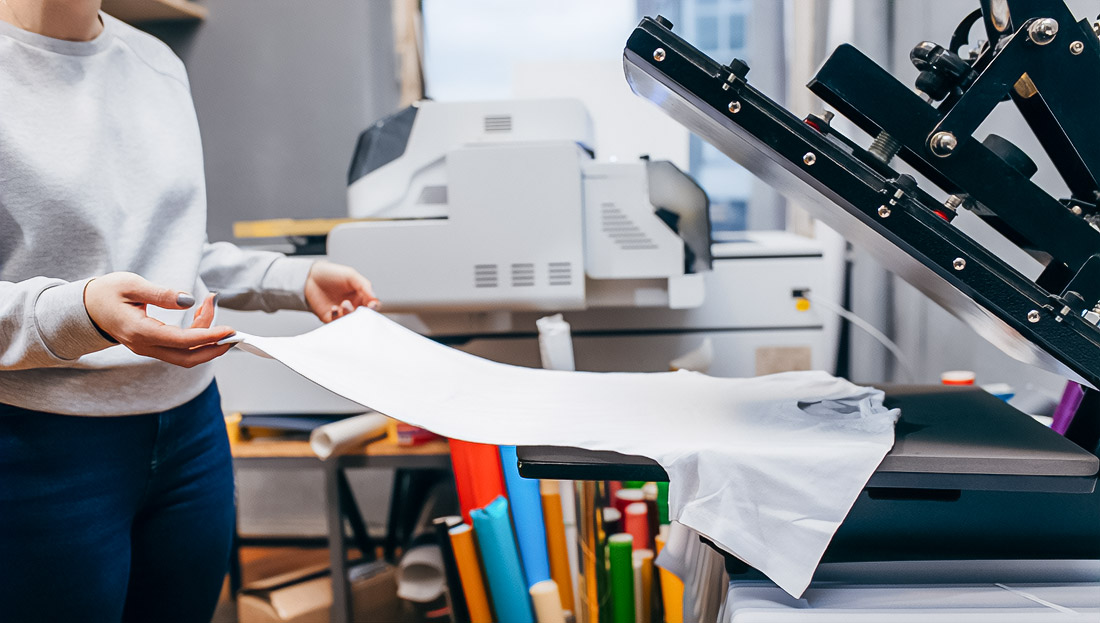
DTF (Direct to Film) is no longer just a method, but a whole production philosophy that has turned the usual ideas about printing on fabric upside down. In Texas and California, this technology is experiencing explosive growth. Everything is important here: cost, speed, richness of color, compatibility with fabrics, energy consumption, and even the distance to the nearest service center. Each parameter can be crucial. Local studios increasingly rely on dtf printing services , integrating modern workflows that combine automation, color accuracy, and fast turnaround to meet constant market demand.
Production Reality And Comparison Of Methods
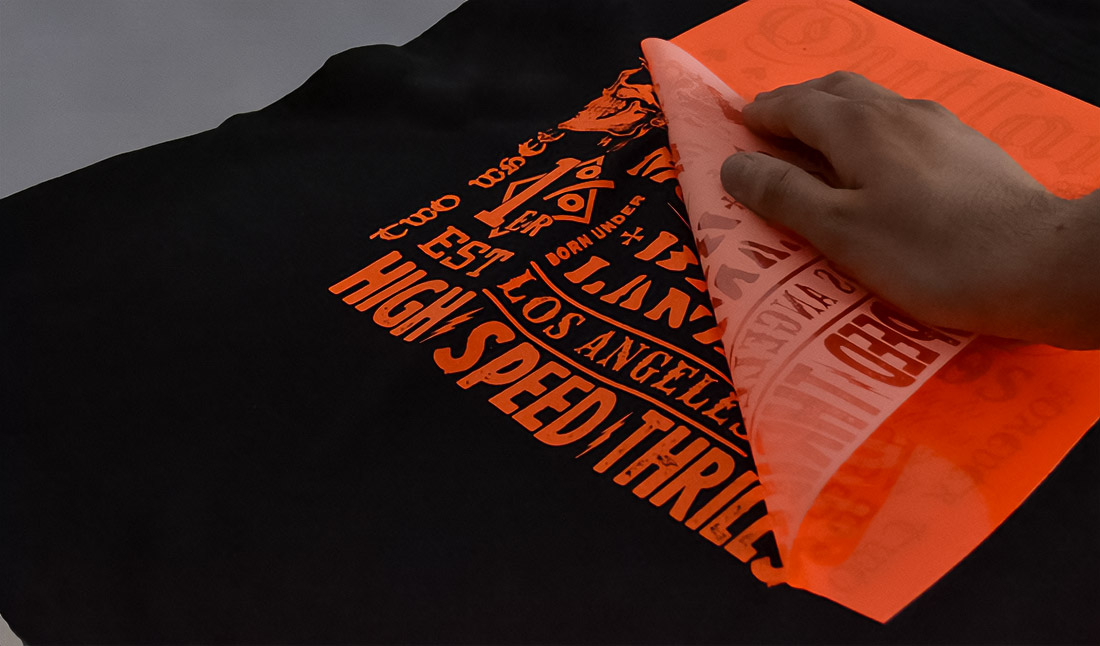
In Texas, DTF has long ceased to be an experiment. They print quickly, stably, and massively. The working lines produce dozens of pages per hour at a resolution of 1440–2880 dpi. The white paint is applied in a dense, even layer, and the film captures the smallest gradients. Where DTG requires fabric preparation and patience, DTF handles colored and dark materials with just the touch of a thermal press.
DTG, by contrast, is preferred in California. Every nuance is important there: the softness of the print, the feel of the fabric under your fingers, the depth of the shade. This is manual precision in an industrial rhythm. But expensive inks, mandatory pre-preparation, and high cost in large print runs turn DTG into a tool for niche brands and limited editions. And where there are thousands of products, the good old screen printing comes on the scene heavy, but profitable in scale.
Cost, Supplies, And Survivability
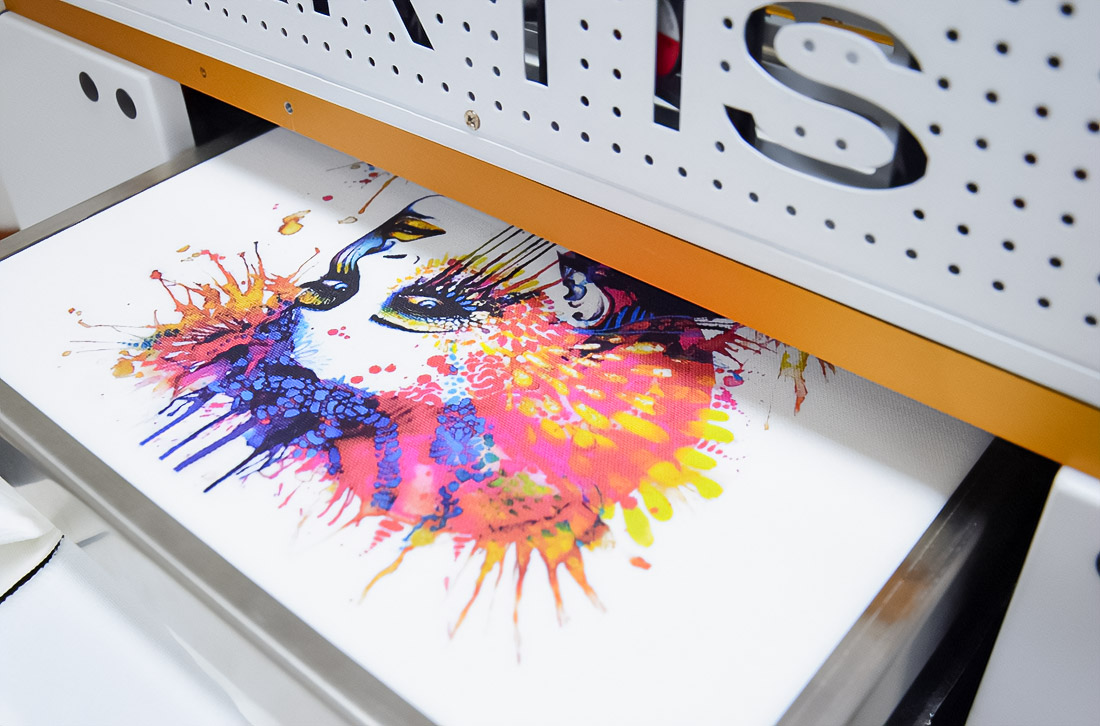
DTF is a calculating technology. The average cost of a print is from $0.0172 per square inch. But the figure is deceptive: everything affects the result: the density of the white layer, the consumption of powdered glue, the frequency of cleaning the heads. New models with resolutions up to 2880 dpi stabilize the flow, reducing losses. Idle equipment is the enemy of profit, so Texas workshops choose printers with quick cleaning and easy replacement of nodes.
In California, the same calculation is accompanied by ecology: less VOC, more water pigments, film recycling, waste control. It is important here that the process is not only profitable, but also clean. Otherwise, you won’t get permission, you won’t pass the test, and you won’t retain the client.
Ecology And Sustainable Production
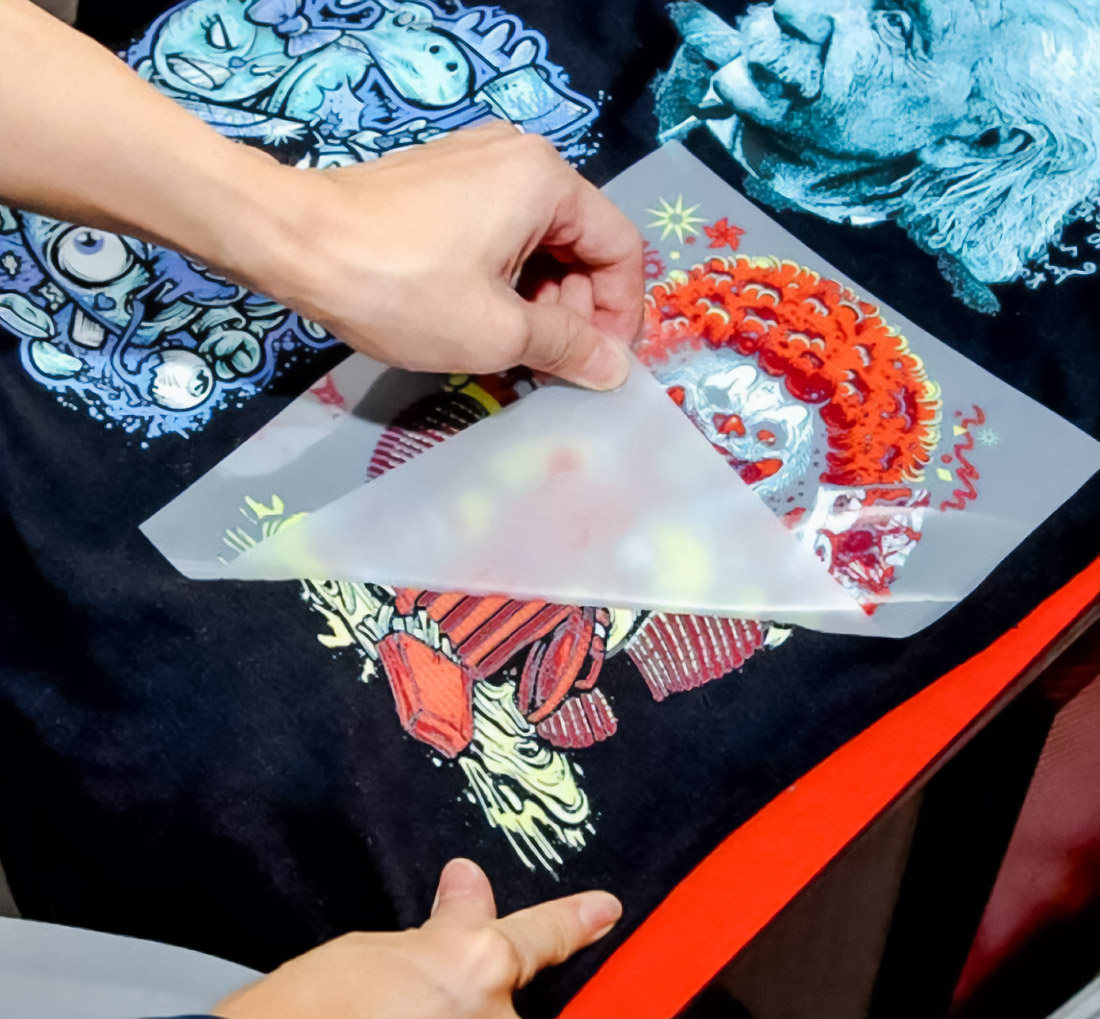
California manufacturers are the first to introduce eco-friendly inks and energy-efficient presses. Every drop of ink is under control there. Every second of heating is part of the savings equation. Production workshops monitor the disposal of glue and the reuse of the film. In Texas, the approach is different: rationality. Everything that speeds up the cycle and reduces costs is implemented instantly. Energy is cheaper, but demand is higher. They value speed, not formality.
Hybrid Schemes And New Directions
Today, the boundaries between technologies are blurred. Hybrid printing combines DTF and Screen Printing, adapting to the task. Small orders with lots of colors go to DTF, mass orders go under the screen. The result? Minimum downtime, maximum impact.
On the horizon are Neon DTF and UV DTF. The former glow even in the dark; they are chosen for festivals, shows, and sports collections. The latter are supported by plastic, metal, and glass. One printer is capable of serving both clothes and souvenirs at once. Versatility is becoming the new norm.
Ownership Economics And Proximity Factor
The price of the printer is just the beginning. The real costs consist of maintenance, energy consumption, and downtime. In California, everything is built around service networks: quick access to spare parts, technical support, operator training. In Texas, the key is mobile technology and travel guarantees. A delay of a day can cost thousands of dollars.
One thermal transfer lasts about 15 seconds. But there is a precise rhythm behind it feeding, pressing, cooling, checking. Regular cleaning of the heads and checking of the white ink extend the service life of the equipment. Otherwise, there will be a loss of color reproduction and a marriage.
Quality, Speed, And Scale
The secret of DTF success is balance. Printing is fast, rich, and durable. The color is bright, the white layer is dense, and the texture is smooth. The technology can withstand frequent washing, is not afraid of the sun and mechanical stress.
DTF manufacturers in California rely on stability. In Texas it’s on a scale. Some strive for perfection, while others strive for maximum utilization. But everyone has the same goal to print faster, cleaner and cheaper.
DTF has become not just a tool, but a universal solution. In Texas, it’s used for efficiency and scale. In California, it’s for the sake of purity, stability, and color accuracy. Technology has combined two approaches: American practicality and Western striving for the ideal.
Fifteen seconds under the press, a thousand prints a day, a stable white layer, local service and cost savings all makes DTF not a fashion, but a standard. Not for tomorrow, but for today.

Basketball fan, risk-taker, guitarist, Vignelli fan and fullstack designer. Doing at the crossroads of design and function to craft delightful brand experiences. Let’s make every day A RAZZLE-DAZZLE MUSICAL.